Do not use: Sterile water for injection (lacks preservative, risking bacterial growth) Normal saline without bacteriostatic agent Distilled water or tap water Other diluents or carriers Step-by-Step Reconstitution Before starting: Gather all supplies: lyophilised IGF-1 vial, bacteriostatic water, sterile syringes (appropriate size), sterile needles (23-25 gauge), alcohol pads, weighing scale (if determining exact peptide weight) Work in a clean environment (ISO Class 6-7 clean room is ideal, but a clean work surface with proper aseptic technique is acceptable for research-grade work) Wash hands thoroughly Ensure the IGF-1 LR3 vial has reached room temperature (do not attempt reconstitution with cold vials, as this affects dissolution) Reconstitution procedure: Prepare the vial: Wipe the rubber septum (the rubber stopper) of the IGF-1 vial with an alcohol pad
They may be useful in adults I don't have much experience with that but in the kids, we get scenarios where the house was so contaminated that it was basically going to be condemned
We do not recommend prescription diets if at all possible
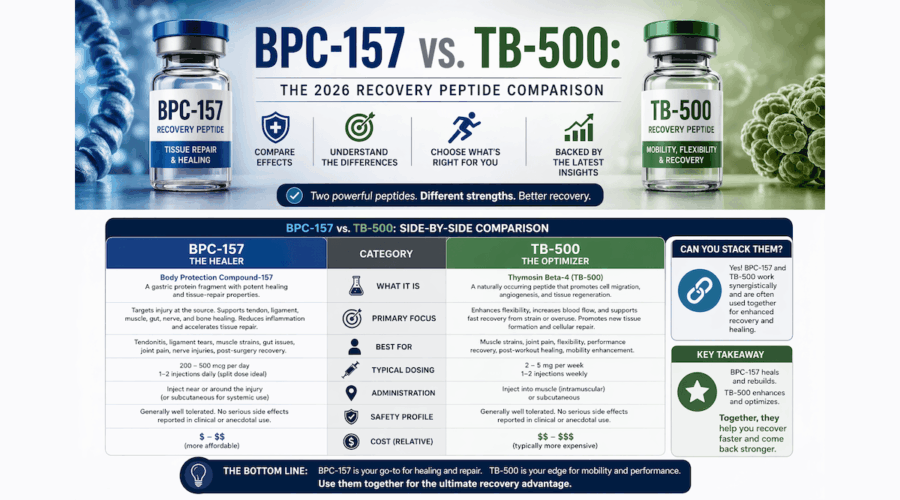
However, the clinical question is different: does BPC-157 reliably improve healing, function, pain, recovery time, or tissue repair in humans






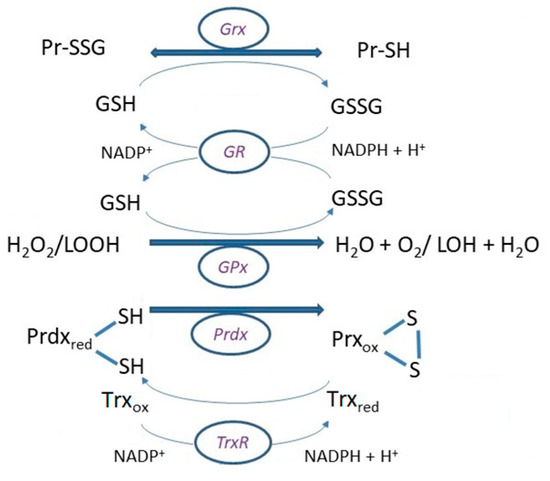


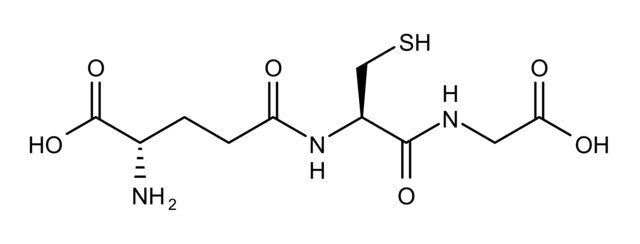



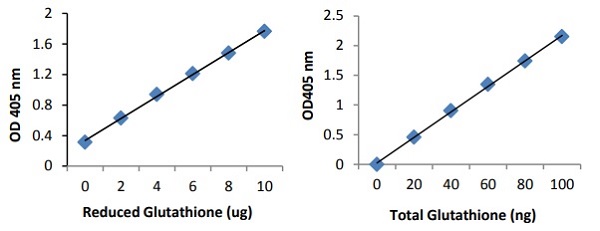


:max_bytes(150000):strip_icc()/benefits-of-glutathione-89457_final-01-502464fe91b2444285b0cccf8cb0a33c.png)